CWC Law The law, in plain language

The law, in plain language.

An independent publication that explains everyday legal questions for consumers and small businesses, and cites the sources it relies on.

Featured · Contracts

Meeting of the minds: when an agreement becomes a contract

Courts ask what each side said and did — not what they privately meant. Here is how that objective test decides whether a deal exists.

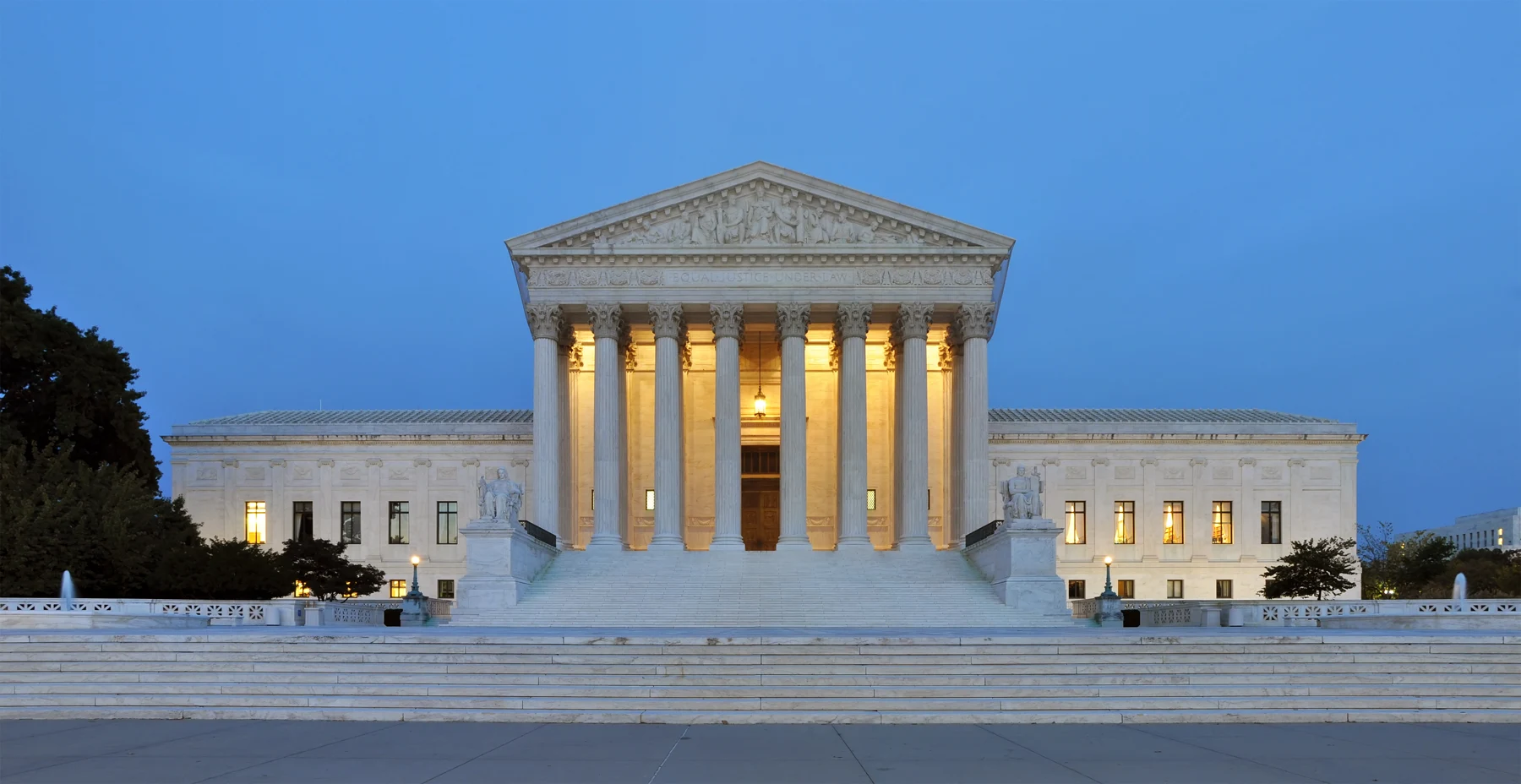
The U.S. Supreme Court building illuminated at dusk
U.S. Supreme Court at duskJoe Ravi / CC BY-SA 3.0. Resized.

Explains offer, acceptance and mismatched terms with a hypothetical small-business example. Supporting reference: Cornell LII Wex.

Read the guide

Working with lawyers

Guides on hiring and confidentiality

Lawyer retainer fees: questions to ask before paying

Advance deposit, general (availability) retainer and flat fee — and the questions to ask before you pay.

Attorney-client privilege: what it protects

What attorney–client privilege protects, and the everyday habits that can waive it.

Spoliation of evidence: what to preserve in a dispute

How a litigation hold differs from routine file cleanup, and why it matters once a dispute is foreseeable.

Contracts

Two guides

Contracts · evidence

Breach of contract: what you need to show

Most breach claims turn on four things: a valid agreement, your own performance (or a good reason it was excused), the other side’s breach, and resulting harm. Each is something you show with ordinary records — the signed terms, delivery receipts, messages and invoices.

The elements, defenses and deadlines vary by state; the guide draws on California court self-help guidance and links its sources.

A contract document showing four checklist items: agreement, performance, breach and harm Agreement Performance / excuse Breach Resulting harm signature

What a breach claim has to show, in order.

Working with lawyers

Two guides
Three things a “retainer” can mean Advance deposit — money you prepay, drawn down as the lawyer works.

General / availability retainer — a fee to reserve a lawyer’s availability.

Flat fee — one agreed price for a defined task.

Working with lawyers · fees

Lawyer retainer fees: questions to ask before paying

“Retainer” covers a few different arrangements, and knowing which one you are signing changes what is refundable and when. Before you pay, ask how the money is held, what draws it down, and what happens to any unused balance.

Whether fees are earned or refundable depends on your agreement and your state’s rules.

Working with lawyers · confidentiality

Attorney-client privilege: what it protects

Attorney–client privilege protects communications made to get or give legal advice — not every conversation that happens to involve a lawyer. Forwarding a privileged email to an outside friend, or looping in a third party, can waive it.

Jurisdictions vary. Exceptions and waiver rules differ by state.

Privileged or not? Likely protected — an email to your lawyer asking for legal advice about a dispute.

Likely not — the same email forwarded to a friend for a second opinion.

Usually outside it — routine business talk with no legal-advice purpose.

Civil disputes

One guide
A timeline where routine deletion stops once a dispute begins and a litigation hold starts routinecleanup dispute begins litigation hold: stop deleting Deleting records after this point can count as spoliation.

Ordinary retention vs. a litigation hold.

Civil disputes · evidence

Spoliation of evidence: what to preserve in a dispute

Spoliation is the loss or destruction of evidence that should have been kept. Once a dispute is reasonably foreseeable, routine cleanup has to give way to a litigation hold — preserving documents, emails and photos. A demand letter is not the only thing that can create a duty to preserve, so do not delete records to get ahead of a claim.

State law varies, and federal electronic-records rules differ from other evidence.

About CWC Law

CWC Law is an independent legal-information publication. It explains common legal topics in plain language for consumers and small businesses.

Read more about this publication →

Editorial standards

Each guide is written to be practical and accurate, cites the sources it relies on, and labels statements that are specific to one state.

Read our editorial standards →

Privacy

No sign-up, contact form, account, payment or third-party tracking. External source links open the publishers’ own sites.

Read the privacy note →